The saxophone is a conical instrument whereas the clarinet is merely a cylindrical one. I liked it better than for example punchy Mark7 even when I play funk.
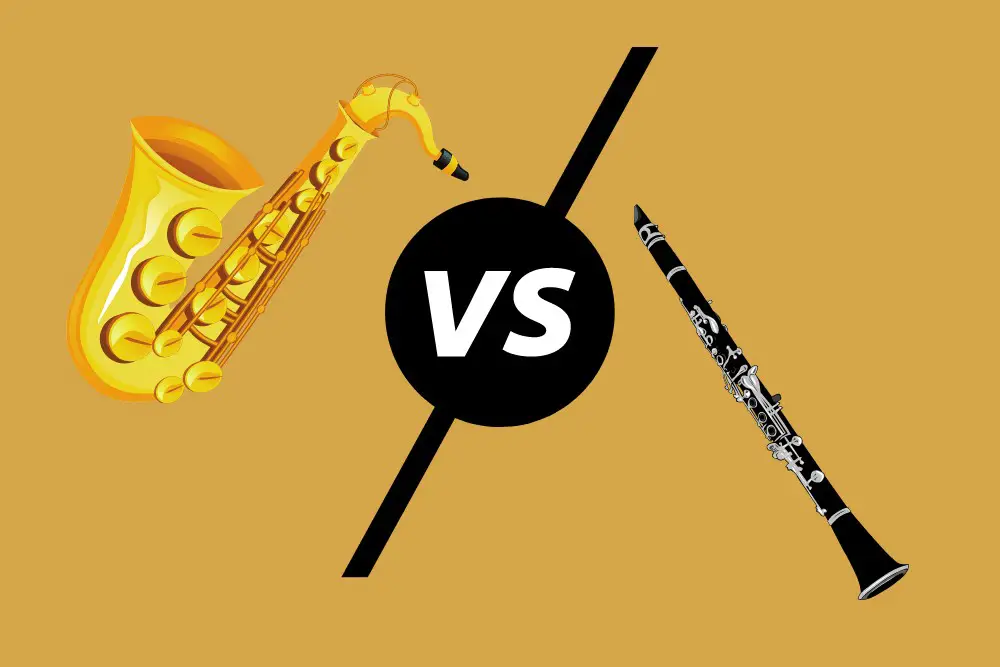
Saxophone Vs Clarinet Detailed Comparison Dynamic Music Room
Have a different harmonic series on that pipe that is is open at one end and close at the other end.

. Playing in different keys on saxophone is a bit different than playing in different keys on piano. Note that even though the notes played by the oboe and clarinet are the same the waveforms are very different. Okay in this problem we want to know why theres a pipe.
And its size that helps explain why transposition exists. A saxophone sounds different from a clarinet even when they sound the same fundamental frequency at the same decibel level because of timbre. When a musician changes register all wind instruments do not have the same behavior.
The tone is created as the air pushes through the instrument pressing the reed against the opening of the mouthpiece and causing a vibration. It depends on what you mean by sound different A trumpet and a clarinet sound different because the sound is generated by a different type of mouthpiece and because one is made out of wood and the other is made out of brass. The A clarinet sounds a semitone lower than the Bb clarinet.
A saxophone goes to the octave while a clarinet goes to the twelfth. A saxophone or clarinet reed needs to be attached to a mouthpiece by way of a ligature in order to produce sound in those respective instruments. Its really quite wonderful.
Ah so a saxophone sounds different from a clarinet when sounding the same fundamental frequency at the same decibel level because of. What does clarinet in a mean. Or about Saxophone Conn has very specific mellow tone but hard to control.
We know that the oboe and the saxophone go to the octave the second register is one octave higher than the first register and that the clarinet goes to the twelfth the second register is one octave and one fifth higher. Good answers here already that describe some of the physical differences. Because different instruments have different mixtures of harmonics which produce their different sound spectrums and the way that a human perceived the sound spectrum is called the ah sound quality or or timber chamber.
Explain why a saxophone sounds different from a clarinet even when they sound the same fundamental frequency at the same decibel level. It is open at both ends. Sax has a conical bore meaning the instrumentan consequently the column of airgets wider at the as it.
That takes a little adjustment but is fairly easily mastered with practice. On saxophone since the reed is larger the tip of tongue would be lower than the tip of the reed simply because the larger reed is further in the mouth. Explain why a saxophone sounds different from a clarinet even when they sound the same fundamental frequency at the same dB level.
Different instruments emphasize different overtones and that is why notes have timbre. The difference is that for the saxophone the upper register and lower register are an octave apart but on the clarinet they are an octave and a half apart. Why does a vibrating guitar string sound louder when it is on the instrument than it does when it is stretched on a work bench.
The main factor that causes different sounds in an instrument is the harmonic frequencies and overtones that an instrument outputs on notes with other factors such as material affecting this factor. Because different instruments have different mixtures of harmonics which produce their different sound spectrums and the way that a human perceived the sound spectrum is called the ah sound quality or or timber chamber. In a nutshell.
Problem 28 Why does a vibrating guitar string sound louder when it is on the instrument than it does when it is stretched on a work bench. Saxophone sound different from clarinets even when they sound the same friend of fundamental frequency at the same decibel level. It is these standing waves that cause the air surrounding the object to vibrate causing a sound wave to spread out.
Not only is the clarinet different from the saxophone. The instruments have different harmonics present at various intensity levels. The difference being that the tongue is lower on the saxophone reed tip than for clarinet.
Basically the register is using the same fingerings to play two different notes that. The concert flute and the clarinet sound very different from one another. Speaking of saxophone I play Balanced Action alto.
There are many other tones as well which we barely hear but the brain does process them. Answer 1 of 6. The waveforms for three different instruments.
So the lowest note that sounds on a sax is the first overtonesecond harmonic an octave higher than the fundamental. On clarinet I have the tip of the tongue touching just slightly below the tip of the reed. As these vibrations take place the sound is made.
As I learned from my own experiences trying to fix my own car its all about having the right tool for the job. Timbre is the number of and intensity of harmonics. Explain why a saxophone sounds different from a clarinet even when they sou 0044 The strings on a harp are of different lengths and produce different notes.
The clarinet makes sound by the clarinet player blowing across a reed causing it to vibrate which vibrates the air inside the clarinet. So Im wondering if CT is like Mark7Im not saying Mark7 is not good I think Im looking for a BA type of clarinet. Thats why they sound different.
This seems to be a rather trivial difference but for those who really like math and physics the pressure variations or as we audiologists like to say the volume velocity variations vary as a function of sinxx where x is the distance along the cone. On clarinets its the same principle but the first overtone isnt there either so the lowest sounding note is the 3rd harmonicsecond overtone an octave and a fifth higher than the fundamental. Well to understand this we should look at a picture here and we can actually draw the same pictures you would for a standing wave on a string.
Synthesizers manipulate this to make a piano sound and a harmonica sound and a marimba sound by changing the overtones electronically. D4 294 Hz G5 784 Hz D4 294 Hz G5 784 Hz Oboe Clarinet 00034s 00034s 00013s 00013s Waveform for a saxophone playing G 208 Hz 00048s 18. Clarinet has a cylindrical bore except for the bell and the very bottom.
The smaller the trumpet the higher notes you can. If both instruments are B-flat the the note should be the same as far as frequency.
A Saxophone Goes To The Octave A Clarinet Goes To The Twelfth Why
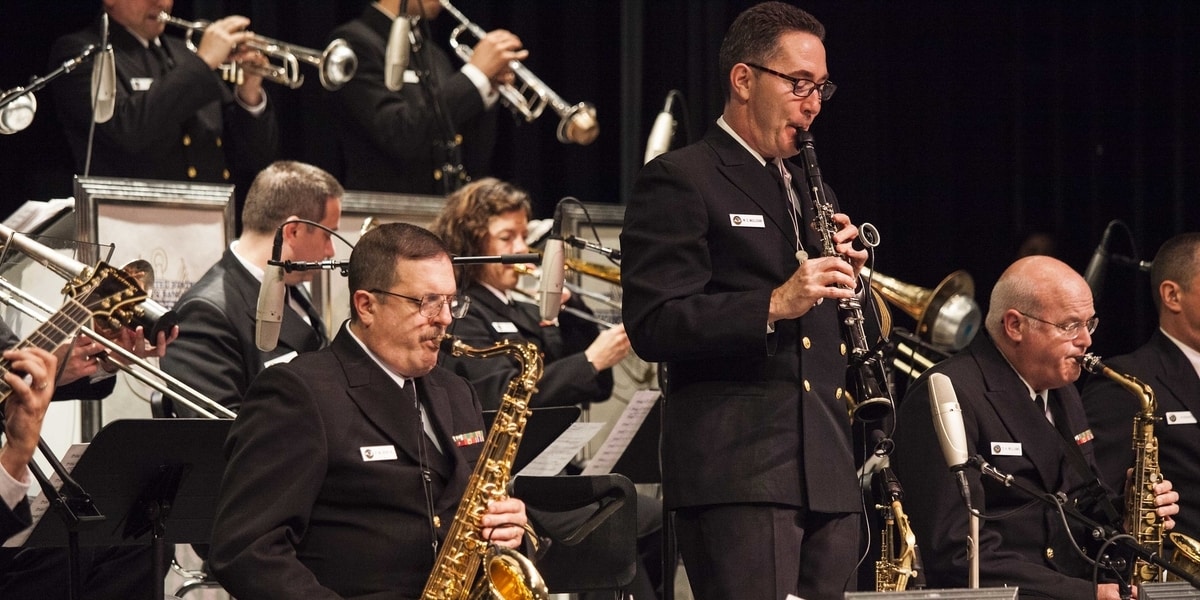
Clarinet Vs Saxophone Similarities And Differences Notestem
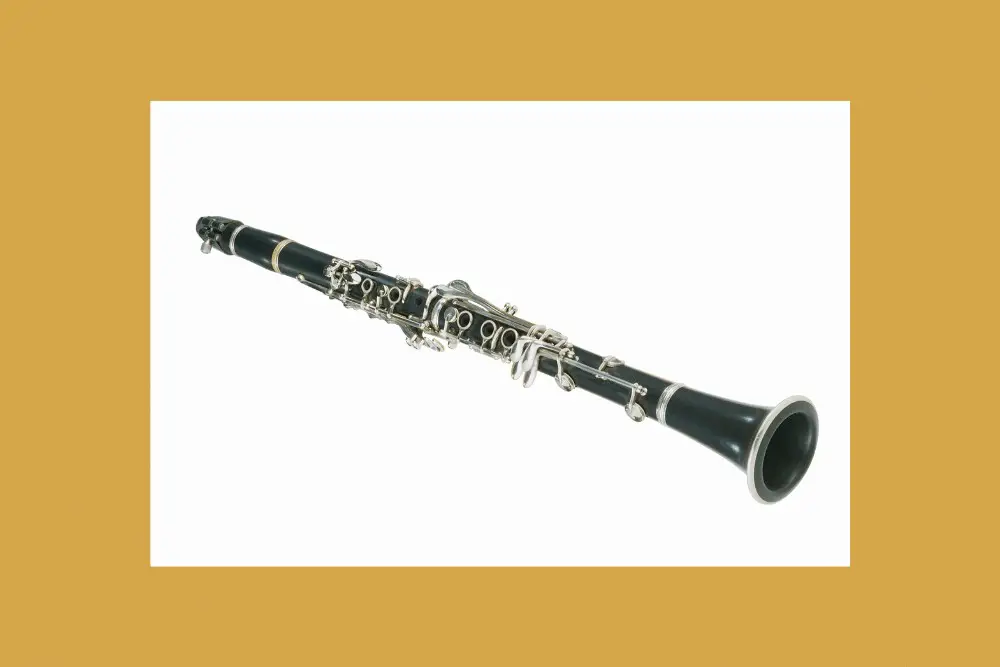
Saxophone Vs Clarinet Detailed Comparison Dynamic Music Room




0 Comments